The Science of Fine Hairbrushes: How Materials Shape Results
- Editorial & Publishing Team

- Sep 15, 2025
- 7 min read
Updated: Jun 17


This article expands on concepts from the broader textbook – “Hairbrushes: The Definitive Encyclopedia of History, Types, Materials, and Functional Systems – A Comprehensive Educational Textbook by Bass Brushes.”
Key Takeaways
· Fine hairbrush performance depends on materials and construction, with bristles, pins, cushions, and handles each shaping comfort, control, and results.
· Natural boar bristles polish by helping move scalp oils along the hair strand, while bamboo and alloy pins support detangling, styling, and scalp contact.
· A responsive pneumatic cushion helps the brush flex with the head, reducing tugging at the roots and making daily brushing feel smoother.
· Matching brush materials to hair type matters, from boar bristles for fine or straight hair to wide-spaced pins for curly or coily textures.
· Proper care, including regular hair removal, occasional cleaning, downward drying, and protected storage, helps fine hairbrushes maintain performance over time.
Hairbrushes are among the most personal grooming tools we own, but most people never stop to consider what makes one brush better than another. The truth is that every element—from the bristles to the cushion to the handle—shapes how a brush performs and how it impacts the health of your hair and scalp. Fine hairbrushes are defined not by luxury labels, but by careful attention to materials and construction.
For nearly fifty years, Bass Brushes has led the way in this craft, designing brushes that blend natural materials, scientific design, and professional performance. By understanding the science behind these tools, we can better appreciate why choosing a fine hairbrush is essential for lasting results.
The Role of Bristles: Nature’s Polishing Tool
At the heart of any brush are its bristles, and the material they’re made from determines how the brush interacts with hair.
Natural Boar Bristles
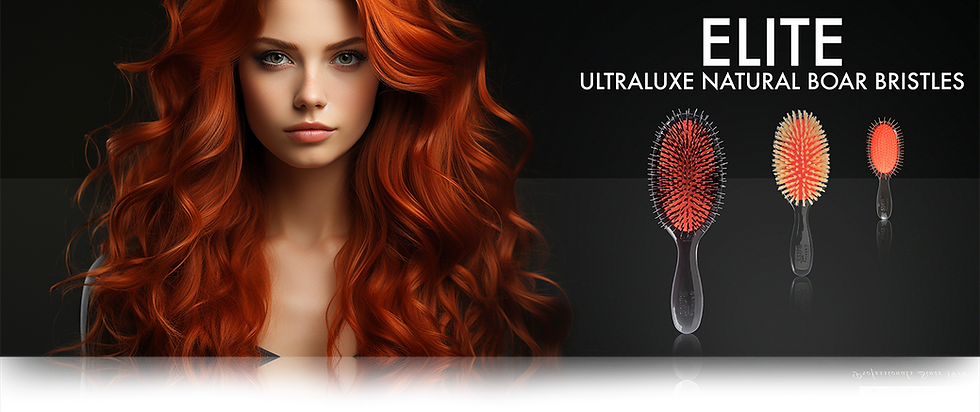
Boar bristles remain the gold standard for polishing hair. Their unique structure mimics human hair, allowing them to distribute scalp oils along the strand. This process conditions the hair naturally, enhancing shine and reducing the need for additional styling products. In Bass’s Classic
Collection, brushes with 100% premium boar bristles are designed to smooth and polish, making them ideal for both men’s and women’s daily grooming.
Bamboo and Alloy Pins
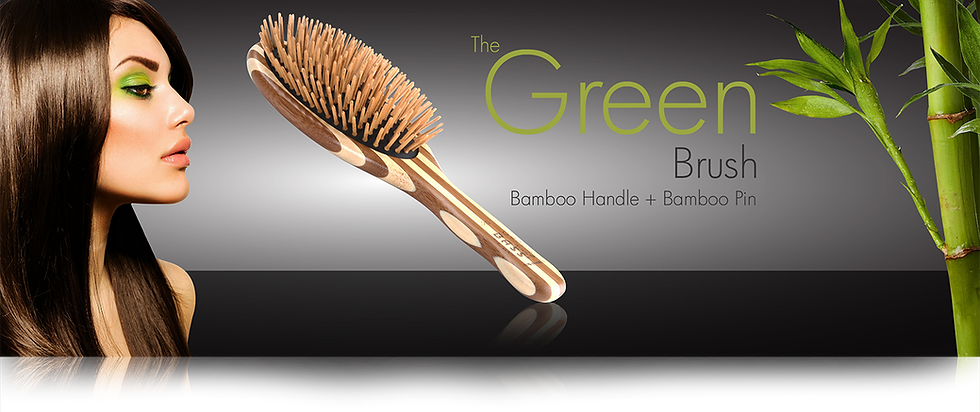
For detangling and styling, pins offer a different advantage. Bamboo pins, used in the Green
Brush line, provide gentle separation with rounded tips that massage the scalp. Alloy pins, found in certain professional collections, withstand heat and add durability for high-performance styling.
The design of the pin tip is critical; radius tips protect the scalp from scratches while providing Gua Sha-like stimulation.
Hybrid Designs
Some brushes combine bristles and pins to deliver the best of both worlds. Hybrid models, such as the Fusion Pro Stylers, polish and condition while detangling and volumizing. This versatility makes them indispensable in both salons and home routines.
The Cushion: Engineering Comfort and Control
A fine brush doesn’t just pull bristles through hair—it responds to the scalp. This is made possible by the cushion.
Pneumatic Cushions
High-quality brushes often use a pneumatic cushion, which allows air to circulate through a small vent. This enables the cushion to flex with the contours of the head, reducing breakage and improving comfort. Bass incorporates this design across multiple collections, ensuring that brushing is not only effective but also gentle.
Why Cushion Quality Matters
A stiff or unresponsive cushion can tug at the roots, causing unnecessary stress on hair follicles. A responsive cushion distributes pressure evenly, allowing for smoother strokes and healthier long-term results.
Handles: Ergonomics and Materials
The handle of a fine hairbrush is more than a grip—it’s a key factor in balance, durability, and comfort.
Natural Bamboo
Bass is known for its eco-friendly bamboo handles, which combine strength with lightweight comfort. Bamboo is naturally resilient, making it an ideal choice for a tool used daily. Its warm, organic feel also adds to the ritual of grooming, reinforcing the connection between self-care and natural materials.
Ergonomic Design
Professional stylists often work for hours at a time, so the ergonomics of a handle are essential.
Designs with posterior tilts or rounded grips reduce wrist strain, making styling more efficient. Even for at-home users, these details make brushing more comfortable and intuitive.
Hair Type and Brush Matching
The science of fine brushes extends beyond construction to function. Different hair types benefit from different materials and designs:
Fine or Straight Hair: Boar bristle brushes add shine without weighing down strands.
Curly or Coily Hair: Wide-spaced pins detangle without disrupting curl patterns.
Thick or Long Hair: Large paddle brushes cover more surface area, reducing styling time.
Heat Styling Needs: Round brushes with ionic cores help smooth or curl under blow-drying.
Bass organizes its product families with these distinctions in mind, ensuring that every customer can find the right tool for their specific needs.
Scalp Stimulation: More Than Styling
Fine brushes do more than manage hair—they actively contribute to scalp health.
Circulation and Gua Sha
Rounded pin tips and responsive cushions create a massaging effect, stimulating circulation in the scalp. This increased blood flow supports healthier hair growth and can even reduce tension headaches.
Cleansing Action
Brushing also removes dust, dander, and product buildup, gently exfoliating the scalp. This not only improves hair health but also enhances the effectiveness of shampoos and conditioners.
Professional Standards: Why Stylists Choose Fine Brushes
In professional settings, the quality of tools directly impacts results. Stylists depend on brushes that can withstand heat, resist wear, and perform consistently across multiple clients.
Salon Reliability
Bass Brushes has earned global trust among stylists because of its consistent performance.
Collections like the Fusion Pro Stylers were specifically engineered for high-demand environments, combining patented designs with durable materials.
Translating Professional Tools for Home Use
What professionals use in salons is equally valuable for everyday consumers. By investing in a fine brush, users at home gain access to the same level of care, ensuring their styling results mirror salon quality.
Common Misconceptions About Hairbrushes
Despite their ubiquity, hairbrushes are often misunderstood.
“All brushes are the same.” In reality, material and design make a dramatic difference in performance.
“Plastic pins work just as well as natural materials.” While plastic is inexpensive, it lacks the polish and scalp benefits of bamboo or boar bristle.
“Brushing causes breakage.” Poor-quality brushes may, but fine brushes are designed to minimize damage while improving hair health.
Caring for Fine Hairbrushes
The science of materials also applies to care. Proper maintenance ensures that a fine brush delivers value for years.
Remove Hair Regularly: After each use, clear out shed strands.
Wash Occasionally: Clean with warm water and mild soap, but avoid soaking, which can damage the cushion.
Dry Properly: Always dry bristles facing downward to maintain structural integrity.
Protect Storage: Keep brushes away from prolonged humidity or direct heat.
With these habits, a Bass brush can last for many years, reinforcing its reputation as a long-term investment.
The Future of Brush Innovation
The world of fine hairbrushes continues to evolve, guided by both tradition and innovation.
Consumers now demand tools that are effective, sustainable, and aesthetically pleasing. Bass
Brushes leads in this space by pairing bamboo and natural bristles with patented designs that meet modern styling needs. Future advances may include even more ergonomic designs, sustainable finishes, and hybrid materials that elevate both performance and durability.
Conclusion: The Science Meets the Art
Every stroke of a fine hairbrush is the product of careful science—bristles that condition, pins that stimulate, cushions that flex, and handles that balance. These details matter, not just for style but for the long-term health of hair and scalp.
Through decades of expertise, Bass Brushes has shown that the craft of brush making is as much about science as it is about art. By investing in fine tools, users transform brushing from a daily chore into a lasting ritual of care, beauty, and well-being.
FAQs: The Science of Fine Hairbrushes
Why do hairbrush materials matter?
Hairbrush materials affect how the brush moves through the hair, how it feels on the scalp, and what result it creates. Bristles, pins, cushions, and handles all influence comfort, control, smoothing, detangling, and durability.
What do boar bristles do for hair?
Boar bristles help polish the hair surface and distribute natural scalp oils from the roots toward the ends. This can support a smoother, shinier, more conditioned appearance when used on dry, detangled hair.
How are bamboo pins different from plastic pins?
Bamboo pins offer a smooth, natural feel and can help separate hair with less harshness when properly finished. They are often valued for gentle detangling, scalp comfort, and a more natural brushing experience.
Why are rounded pin tips important?
Rounded pin tips help protect the scalp from scratching while allowing the brush to move comfortably through the hair. They can also create a light massaging effect during brushing.
What is the purpose of a cushioned hairbrush?
A cushion allows the brush head to flex with the shape of the scalp. This helps distribute pressure more evenly, reduce tugging, and make brushing feel smoother and more responsive.
Why does handle material matter in a hairbrush?
The handle affects balance, comfort, and control. Natural bamboo or wood handles can provide strength, lightness, and a warm tactile feel, while ergonomic shaping can make brushing easier during daily use or professional styling.
What is a hybrid hairbrush?
A hybrid hairbrush combines more than one brushing material or function, such as bristles for polishing and pins for detangling. These designs are useful when the goal is both control and a finished appearance.
Which materials are best for shine?
Natural boar bristles are especially associated with shine because they help smooth the cuticle surface and move natural oils through the hair. Hybrid bristle systems may also support shine while adding more detangling power.
Which materials are best for detangling?
Pins are generally better for detangling than dense bristles. Bamboo, wood, alloy, or well-finished nylon pins can help separate strands, especially when the spacing, flexibility, and tip shape match the hair type.
Do different hair types need different brush materials?
Yes. Fine hair may need softer bristles or gentler pins, thick hair may need stronger structure, curly hair may need wider spacing, and heat-styled hair may need materials designed to withstand airflow and styling tension.
Can a better brush reduce pulling and breakage?
A properly designed brush can help reduce unnecessary pulling by using smoother pins, responsive cushions, appropriate bristle firmness, and better pressure distribution. Technique still matters, especially when detangling knots.
How should I care for a hairbrush made with natural materials?
Remove loose hair regularly, clean gently when needed, avoid soaking, dry with the bristles or pins facing downward, and store the brush away from prolonged humidity or direct heat. Proper care helps preserve the materials and performance.