Brushes


Boar Bristle, Styling, Detangling, & Round Brushes
For decades, Bass hairbrushes have been artfully crafted with focused expertise, distinguished natural materials, and thoughtful design for superior smoothing, polishing, detangling, shaping, & sculpting.

Combs

Style & Detangle

Straighten & Curl

Shine & Condition

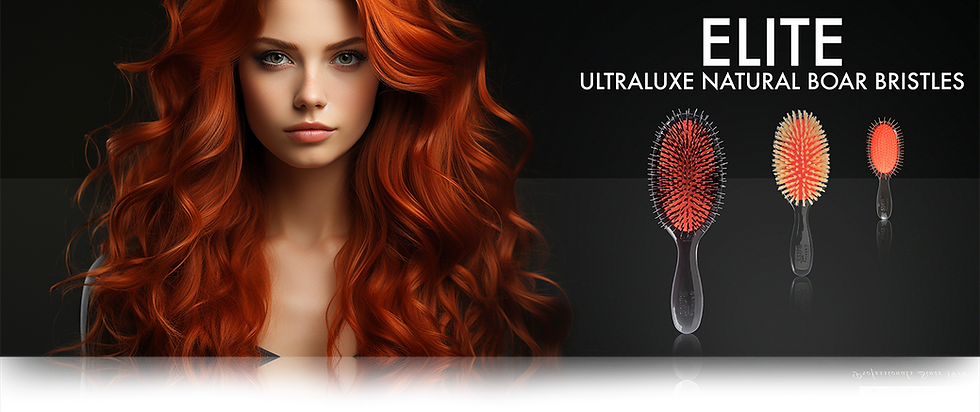
A highly specialized collection using ultra-premium natural bristle and a soft pneumatic cushion
All Brushes
Hairbrushes
Beauty, Control, and Confidence In One Daily Ritual
A hairbrush is more than a grooming tool. It’s one of the simplest ways to restore order, elevate appearance, and reset how you feel before stepping into the day.
Hair moves constantly — with sleep, weather, stress, and time. Brushing brings it back into alignment. Surface smooths. Volume redistributes. Shape sharpens. The result is subtle but powerful: a cleaner silhouette, healthier-looking shine, and a more intentional presence.
This is why brushing has endured across centuries. It satisfies more than appearance. It satisfies the need for order, refinement, and readiness.
Understanding The Basic Functional Types of Hairbrushes
Add a Title
BOAR BRISTLE BRUSHES
Shine & Condition


Boar bristle hairbrushes are designed primarily to shine, condition, and smooth the hair by distributing natural scalp oils, or sebum, from the roots through the lengths.
Among brush filaments, natural boar bristle is distinguished by its ability to pick up, hold, and redistribute sebum across the hair surface. Its fine natural boar bristle tufts help spread these oils along the strands, polishing and lubricating the hair to enhance shine and reflectivity, soften the feel of the hair, reduce flyaways, and create a smoother, more refined finish.
Boar bristle brushes are available in different bristle firmness levels and constructions, including cushioned, direct-set, pure boar, and boar-and-pin designs, allowing the brushing experience to be matched more closely to hair density, texture, and desired level of contact.
Add a Title
PIN BRUSHES
Style & Detangle


Pin hairbrushes are designed to detangle, separate, style, and control hair directionally using flexible or semi-rigid pins that move through the strands with relatively little surface friction.
Different pin constructions serve different purposes: fine, flexible pin detanglers are especially effective for gently separating knots and reducing tangles, but generally provide less directional control for styling. More substantial pin configurations can better organize, shape, smooth, and guide the hair toward a desired visual result.
Pin length, spacing, flexibility, cushion design, and tip construction can all influence how effectively a brush moves through different hair densities and textures.
Pin brushes are also commonly used for comfortable scalp contact and mechanical scalp stimulation during brushing.
Add a Title
ROUND BRUSHES
Straighten & Curl


Round hairbrushes are designed primarily for blow-dry shaping, using controlled tension, barrel curvature, and directed airflow to shape the hair as it dries.
Barrel diameter is a key factor in the finished result: larger round brushes create broader arcs that support straighter, smoother finishes and added volume, medium barrels are well suited to waves, bends, and movement, and smaller barrels create tighter curves and more defined curls.
Bristle type, barrel material, venting, and overall construction can further influence grip, heat transfer, airflow, smoothing, and control during styling.
Unlike dedicated detangling brushes, round brushes are principally shaping tools intended to create and refine form while working with a blow dryer.
Key Takeaways
Hairbrushes are functional grooming tools, and different brush types are designed for different jobs. Depending on their construction, they may detangle, separate, smooth, condition, shape, style, or control the hair.
Boar bristle brushes are primarily shine-and-condition tools. Natural boar bristle is distinctive among common brush filaments for its ability to pick up, hold, and redistribute natural scalp oils, or sebum, through the hair while smoothing and polishing the strand surface.
Pin brushes can serve both detangling and styling functions, but the two are not interchangeable. Fine, flexible pin systems excel at separating tangles with minimal resistance, while more substantial pin constructions provide greater directional control for smoothing, organizing, and styling the hair.
Round brushes are primarily blow-dry shaping tools. They combine tension, barrel curvature, and directed airflow to create form, with larger barrels supporting straighter, smoother finishes and smaller barrels producing progressively more wave and curl.
Choosing the best hairbrush starts with function and construction. Bristle or pin material, firmness, spacing, cushion design, barrel size, and brush shape should be considered alongside hair texture, density, strand diameter, condition, moisture state, and the desired grooming or styling result.