Deep Dive - Style & Detangle Hairbrushes
- Bass Brushes

- Feb 18
- 16 min read


Tired of battling knots and dealing with frustrating hair tangles? You're not alone. Finding the right tool can make all the difference, and that's where a good wet and dry detangling brush comes in. It’s designed to glide through your hair, whether it’s damp or completely dry, making your hair care routine so much simpler. Let's explore how this one tool can change the way you handle your hair, from washing to styling.
Key Takeaways
A wet and dry detangling brush is your go-to for easily removing knots without causing extra breakage, working on both damp and dry hair.
Understanding the difference between nylon and bamboo pins helps you choose the right brush for your hair type and whether you're detangling wet or dry strands.
Cushion-based brushes are designed with flexible air pockets that allow pins to retract slightly when encountering knots, reducing stress on your scalp and hair.
Proper detangling technique, starting from the ends and working your way up, is key to preventing damage and making the process smoother.
Your detangling brush isn't just for knots; it can also help with styling, smoothing, and adding volume, making it a versatile tool for everyday hair care.
1. Understanding Style & Detangle Brushes
When you think about hair care, you probably picture washing, conditioning, and maybe some styling products. But the tools you use, especially your brush, play a huge role too. Bass Brushes has a whole line of "Style & Detangle" brushes, and they're designed to do more than just get knots out. These aren't your average brushes; they're built to actively help you shape and manage your hair.
Think of it this way: your hair has a structure, and tangles happen when the outer layer, the cuticle, gets rough or lifted. Trying to force your way through knots can lift even more of those scales, leading to breakage and frizz. Style & Detangle brushes are made to glide through your hair, separating strands gently without causing that damage cycle. They work with your hair's natural structure, not against it.
But it's not just about detangling. These brushes are also your partners in styling. They help direct airflow when you're blow-drying, smooth out sections, and even give you a bit of lift at the roots. They're designed to maintain a bit of tension and control, which is key for shaping your hair into the look you want. Whether you're aiming for sleek and straight or adding some volume, these brushes help you get there.
Here's a quick look at what makes them different:
Detangle Without Damage: Uses pins that gently separate knots, protecting the hair cuticle and minimizing breakage.
Actively Shape and Style: Designed to guide hair, smooth sections, lift roots, and direct airflow during styling.
Versatile Use: Works effectively on dry, damp, or towel-dried hair, making them suitable for various stages of your hair routine.
The core idea behind Bass Style & Detangle brushes is that they should actively participate in creating your look. They're not just passive tools for removing tangles; they're instruments that help you control and shape your hair's form and movement. This means they need to be able to maintain a certain level of engagement with your hair, allowing you to guide it precisely.
2. The Science of Detangling
Ever wonder why your hair gets tangled in the first place? It's all about the tiny scales on each hair strand, called the cuticle. When these scales lie flat, your hair feels smooth and glides easily. But if they're rough or lifted, they can catch on each other, creating friction and leading to knots. It's like tiny Velcro strips all over your head!
When you try to force your way through a tangle, you're actually lifting those cuticle scales even more. This can weaken the hair shaft, making it more prone to breakage. It's a cycle that's hard to break, but that's where a good detangling brush comes in. Bass brushes are designed to work with your hair, not against it. The pins gently separate the strands, lifting and loosening knots without yanking or tearing. This means less stress on your hair and a smoother, healthier feel.
Think about it: your hair is made up of three layers. The cuticle is the outer one, the cortex is the middle layer that gives hair its strength and elasticity, and some hair even has a medulla in the center. When you pull too hard, you can stress that cortex layer, leading to snapping. A Bass brush helps avoid this by using controlled tension. The pins are designed to glide between strands, easing out tangles instead of ripping through them. This gentle approach is key to preventing damage and keeping your hair looking its best.
Here's a quick look at why tangles happen:
Friction: Everyday things like pillowcases, scarves, or even just moving around can cause friction that leads to knots.
Hair Texture: Curly, wavy, or coily hair naturally has more bends and loops, making it more likely for strands to interlock.
Hair Condition: Dry or damaged hair often has raised cuticles, creating a rougher surface that snags more easily.
Understanding this science helps you see why the right tool, like a Bass brush, makes such a difference. It's not just about getting knots out; it's about doing it in a way that protects your hair's integrity.
3. Nylon vs. Bamboo Pins
When you're looking at Bass detangling brushes, you'll notice they often feature pins made from either nylon or bamboo. Each material has its own set of characteristics that make it suitable for different hair needs and brushing styles.
Nylon pins are quite common in detangling brushes. They're known for being flexible, which helps them bend around knots instead of snagging. This flexibility is great for wet detangling and can also handle moderate heat from a blow dryer, making them versatile for everyday use. The tips are usually rounded to be gentle on your scalp, gliding smoothly through your hair. However, in very dry air, nylon can sometimes create a bit of static.
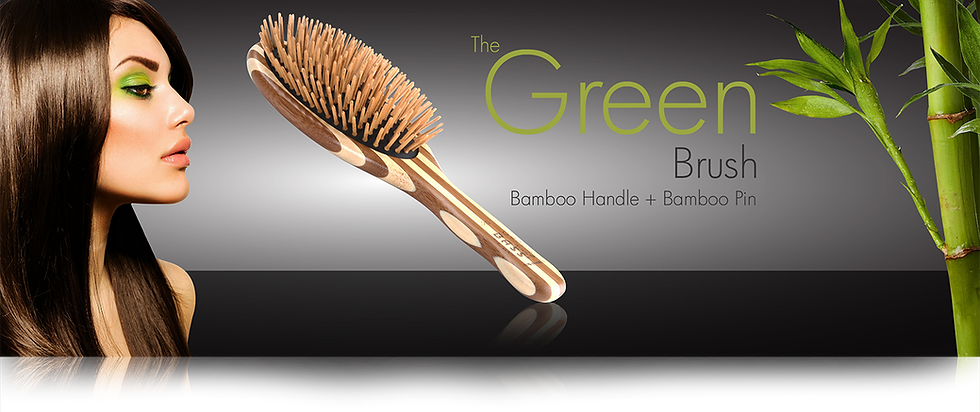
Bamboo pins, on the other hand, offer a different feel. They tend to be firmer, providing a bit more resistance as you brush. This natural firmness makes them naturally anti-static, which is a big plus if you deal with frizz. Bamboo is also heat-neutral, meaning it's best suited for dry detangling and styling where you want to avoid any potential heat transfer. The feel on the scalp is often described as a gentle pressure that can stimulate blood flow. For those with sensitive scalps or who prefer natural materials, bamboo pins are an excellent choice.
Here's a quick look at how they stack up:
Nylon Pins:
Bamboo Pins:
Both nylon and bamboo pins are designed to reduce the force that can lead to hair breakage. The choice between them often comes down to whether you prioritize flexibility for wet styling or the natural, anti-static properties of bamboo for dry brushing.
4. Cushion-Based Brushes Explained
You might have noticed that many Bass brushes have a soft, yielding base where the pins emerge. This isn't just for looks; it's a smart design choice that makes a real difference in how you brush.
Think of it like this: when a knot or a tangle tries to stop the brush pins in their tracks, a cushion-based brush doesn't just push harder. Instead, the flexible air pocket beneath the pins gives a little, allowing the pin to retract slightly. This gentle give means less stress on your hair strands, your scalp, and the roots. It's a much kinder way to work through knots, preventing that awful snapping or tearing sensation.
This cushioning also helps keep the tension even as you brush, which is a big deal, especially if you're blow-drying. It means you're less likely to pull or snag your hair, reducing breakage and discomfort. You'll find that brushing feels smoother, and you can work through tangles without that feeling of fighting your hair.
Here’s what that cushion base does for you:
Reduces stress: Less pulling on your scalp and hair roots, which can help with shedding.
Minimizes breakage: Pins retract instead of forcing through knots, preventing hair from snapping at weak points.
Increases comfort: The flexible base adapts to your scalp, avoiding scratches or irritation.
Even tension: Helps maintain consistent pressure, which is beneficial for styling and drying.
The design of a cushion-based brush is all about working with your hair, not against it. It’s about making the detangling process feel less like a chore and more like a gentle, effective part of your hair care routine. This thoughtful construction helps preserve the health and integrity of your hair over time.
5. Proper Detangling Technique
Getting tangles out of your hair doesn't have to be a struggle. Using the right technique with your Bass brush can make all the difference, preventing breakage and leaving your hair smooth. It's all about working with your hair, not against it.
First things first, start with hair that's either dry or slightly damp. If your hair is very fine or easily damaged, avoid brushing it when it's soaking wet, as it can be more fragile then. For thicker, curlier, or longer hair, it's a good idea to section it. You can do this by dividing your hair into two or more layers and clipping the top sections up. This gives you better control and makes the process much easier.
Always begin detangling at the ends of your hair. Place your Bass brush a few inches up from the tips and use short, gentle strokes to work through any knots. This method stops tangles from getting tighter and closer to your scalp. Once the ends are free of knots, gradually move higher up the hair shaft, working your way towards the roots. Continue this process until you can brush smoothly from root to tip without any resistance.
When you're brushing, use light, consistent pressure. You want the pins of your Bass brush to glide through your hair, not scrape your scalp or feel like you're forcing them through stubborn knots. Let the brush do the work. If you encounter a tangle that feels really stuck, don't yank. Instead, try to gently tease it out from the ends, working your way up.
Once your hair is completely detangled, you can then move on to styling. Your Bass brush is perfect for shaping, smoothing ends, or getting your hair ready for heat styling.
Here's a quick rundown:
Start at the ends: Always begin detangling from the tips and work your way up towards the roots.
Section your hair: Especially if it's thick, curly, or long, dividing your hair makes detangling more manageable.
Use gentle pressure: Let the brush pins glide through your hair; avoid pulling or yanking.
Work gradually: Move from the ends up to the roots, freeing knots as you go.
Remember, the goal is to remove tangles without causing unnecessary stress or breakage to your hair. Patience and the right technique with your Bass brush will lead to healthier, smoother hair.
6. Styling with Your Detangling Brush
Your Bass detangling brush isn't just for getting knots out; it's a key tool for shaping your hair. Once your hair is detangled, you can use the same brush to create different looks. Think of it as a sculpting instrument for your hair.
The magic happens when you use controlled tension and consistent airflow. This helps your hair take and hold a new shape as it cools.
Here’s how you can use your Bass brush for styling:
Adding Volume at the Roots: Place the brush under the roots of your hair. As you blow-dry, lift the brush upwards. Keep the dryer nozzle pointed towards the ends of your hair to smooth the cuticle.
Creating Smooth, Straight Styles: Brush downwards through a section of hair while directing warm air from your blow dryer down the hair shaft, following the brush. This helps align the hair cuticle for a sleek finish.
Flipping Ends In or Out: When you reach the ends of your hair, gently twist the brush inward or outward while applying warm air. Hold the position for a moment until the hair cools slightly to set the flip.
Building Natural Movement: Brush your hair forward, backward, or to the side while blow-drying. This creates soft, directional volume and movement without harsh styling.
Taming Flyaways: Use short, gentle strokes over the surface of your hair with warm (not hot) air to smooth down any stray hairs.
Remember, styling is about working with your hair, not against it. Gentle, consistent strokes with your Bass brush will give you better results and keep your hair healthier in the long run. It’s about building shape through repetition and light tension, not forcing it.
7. Detangling Different Hair Types
Your Bass detangling brush is pretty versatile, but how you use it might change a bit depending on your hair. It’s not a one-size-fits-all situation, you know?
Fine or Straight Hair: With finer hair, you want to be gentle. Think light pressure here. You’re just trying to smooth things out and maybe add a little shape without flattening it all down. Too much force can make it look limp or cause flyaways. Just let the pins glide through.
Wavy Hair: For wavy hair, brushing when it’s dry can help redefine those waves or smooth them out if you’re planning on heat styling. It’s all about getting that texture just right before you do anything else.
Curly and Coily Hair: This type needs a bit more care. It’s best to detangle curly or coily hair when it’s wet or damp, and definitely after you’ve put in a good detangling conditioner. If you’re trying to shape your curls or smooth down your hairline, this brush can help, but always be gentle to keep your curl pattern intact.
Thick or Coarse Hair: If you’ve got thicker hair, you’ll want to work in sections. Start from the ends and slowly make your way up to the roots. This makes sure you get all the knots out without pulling too hard. It’s also great for creating tension when you’re blow-drying if you’re going for a really smooth finish.
Remember, the key is always to start from the ends and work your way up. This prevents you from just pushing knots higher up the hair shaft, making them harder to deal with. It’s a simple technique, but it makes a big difference in preventing breakage and making the whole process easier.
No matter your hair type, your Bass brush is designed to work with your hair, not against it. It’s about finding that sweet spot between getting the tangles out and keeping your hair healthy and looking good.
8. Brushing Wet vs. Dry Hair
You might be wondering if you should use your Bass brush on wet or dry hair. The short answer is, you can do both, but how you use it makes a difference.
When your hair is wet, it's more elastic and can stretch more than usual. This means it's also more prone to breakage if you're not careful. If your hair feels particularly fragile or stretchy right after washing, it's best to wait until it's towel-dried or mostly dry before reaching for your brush. Using a Bass brush on damp hair, right after you've gently towel-dried it, is a great time to work out tangles and distribute any conditioning products evenly. The cushioned pins help to gently separate strands without causing excessive stress.
Brushing dry hair is where your Bass brush really shines for styling and smoothing. It's perfect for taming frizz, adding a bit of polish, or just refreshing your look throughout the day. For those with thicker or curlier hair types, brushing when dry might be preferable to help redefine texture or smooth down flyaways without disrupting your natural pattern too much. Just remember to use light, consistent pressure, allowing the pins to glide through your hair.
Here's a quick guide:
Damp Hair: Ideal for detangling after washing. Gently work from the ends up. Use this time to distribute conditioners or leave-in treatments.
Dry Hair: Perfect for everyday smoothing, taming frizz, and styling. Use gentle strokes to avoid static.
The key is to be mindful of your hair's condition. While Bass brushes are designed to be gentle, understanding when your hair is most vulnerable helps you avoid unnecessary damage. Always start from the ends and work your way up, regardless of whether your hair is wet or dry.
Remember, your Bass brush is versatile. Whether you're prepping for a style or just need a quick refresh, knowing whether to use it on wet or dry hair will help you get the best results.
9. Pairing Your Brush with Products
Your Bass detangling brush works well on its own, but you can get even better results by using it with the right hair products. Think of it like a painter needing the right brushes and paints – your hair care routine benefits from this kind of thoughtful pairing.
When you're dealing with hair that tangles easily, especially if it's on the thicker or curlier side, a little help goes a long way. Applying a leave-in conditioner or a light serum before you start brushing can make a big difference. These products add slip, which means your Bass brush can glide through your hair more smoothly, reducing tugging and making the detangling process feel much easier. It also helps protect your hair's cuticle, keeping it healthy.
Here’s a quick look at how different products can complement your Bass brush:
Leave-in Conditioner or Light Serum: Use these on damp hair, particularly for curly or textured types, to increase slip and protect strands. This makes detangling with your Bass brush a smoother experience.
Detangling Sprays: While your Bass brush is designed to minimize the need for heavy products, a light detangling spray can offer extra help for very stubborn knots, making them easier to work through.
Styling Creams or Mousses: After detangling and before styling, these can help define your look. Your Bass brush can then be used to gently distribute these products and shape your hair as desired.
Remember, the goal is to make detangling and styling feel effortless. By choosing products that add slip and moisture, you help your Bass brush do its best work, leading to smoother, healthier-looking hair with less effort.
It's not just about what you put on your hair, but how you use your brush with those products. For instance, after applying a leave-in, gently work it through with your Bass brush, starting from the ends and moving upwards. This ensures even distribution and prepares your hair for the next step, whether that's air drying or heat styling.
10. Brush Maintenance and Cleaning
To keep your Bass brush working its best and looking good, a little regular care goes a long way. These brushes are designed to be durable, but like any tool you use often, they need a bit of attention to maintain their performance and hygiene.
Regular cleaning prevents buildup that can affect how smoothly your brush glides through your hair. Over time, hair strands, dust, product residue, and natural oils can accumulate on the pins and cushion. This gunk can make detangling less effective, cause pins to stick together, and generally make your brush less pleasant to use.
Here’s a simple routine to follow:
After each use (or every few days): Gently remove loose hairs from the brush. You can use your fingers or a comb to carefully lift away any trapped strands. This is the easiest time to do it before things get really stuck.
Weekly or Bi-weekly: Give your Bass brush a more thorough clean. Mix a mild shampoo or soap with warm water. Dip your brush into the solution, being careful not to soak the wooden handle if your brush has one. Use a soft cloth or a gentle brush (like an old toothbrush) to clean around the pins and the cushion base. Rinse the brush head thoroughly under cool running water, again avoiding excessive water on wooden parts. Shake out any excess water and let it air dry completely with the pins facing upwards or on its side. Never use harsh chemicals or abrasive cleaners, as these can damage the materials.
For stubborn buildup: If you notice product residue that’s hard to remove, you can try a solution of equal parts water and apple cider vinegar. Let the brush soak for a few minutes, then clean and rinse as usual. Always ensure the brush is completely dry before storing it.
Proper care not only keeps your brush hygienic and performing well but also extends its lifespan. A well-maintained Bass brush is an investment that continues to provide effortless detangling and styling for years to come, reducing the need for frequent replacements and supporting a more sustainable approach to hair care.
Your Hair's New Best Friend
So, you've learned all about how a good wet and dry style & detangle brush can really change your hair game. It’s not just about getting rid of knots, though that’s a big part of it. You can use these brushes to shape your hair, smooth it out, and even add a bit of volume before you head out the door. Remember to start at the ends and work your way up, using gentle pressure. Whether your hair is fine, thick, curly, or straight, there’s a way to use this tool to make things easier. Think of it as a simple step that makes a big difference in how your hair looks and feels every day. Give it a try, and you might just find your styling routine gets a whole lot simpler.
Frequently Asked Questions
What makes a detangling brush different from a regular brush?
A detangling brush, especially one designed for wet and dry use, has special pins that are made to gently glide through knots without pulling or breaking your hair. Regular brushes might have pins that are too stiff or too close together, which can snag and cause damage. Detangling brushes are built to work with your hair's tangles, not against them.
Can I really use this brush on wet hair without causing damage?
Absolutely! When your hair is wet, it's more stretchy and can break more easily. Detangling brushes made for wet hair have flexible pins and often a cushioned base that bends with your hair. This means you can carefully work out knots without stretching or snapping your strands, which is super important for keeping your hair healthy.
How do I know if I should use nylon or bamboo pins?
It really depends on your hair and what you're doing. Nylon pins are usually great for wet detangling and blow-drying because they can handle a bit of heat and are flexible. Bamboo pins, on the other hand, are often a bit firmer and naturally anti-static, making them fantastic for dry detangling and giving your scalp a gentle massage without creating extra flyaways.
What's the deal with the cushion base on some brushes?
Think of the cushion base like a shock absorber for your hair. It has little air pockets where the pins sit. When you hit a tangle, the pins can sink in a bit instead of just pushing hard. This protects your scalp from getting scratched and reduces the stress on your hair roots, preventing breakage and making brushing way more comfortable.
What's the best way to detangle my hair to avoid knots?
Always start brushing from the ends of your hair and work your way up towards the roots. Use short, gentle strokes. Trying to brush from the roots down through a tangle just pushes the knot tighter, making it harder to get out and potentially causing breakage. Patience is key here!
Can I use my detangling brush for styling, not just getting rid of knots?
Definitely! Once your hair is knot-free, you can use the same brush to help shape your hair. You can use it while blow-drying to smooth your hair, add volume by lifting at the roots, or even create gentle flips at the ends. It's a versatile tool for getting your hair just the way you want it.
How often should I be brushing my hair with a detangling brush?
For fine or flat hair, brushing once or twice a day can help with volume and shaping. If you have thick or curly hair, daily brushing is good, but make sure to section it off for easier, less pulling detangling. Always be gentle, especially with curly or coily hair – detangle when it's damp and perhaps after using a comb first.
How do I keep my detangling brush clean and working well?
Regular cleaning is important! You should remove any loose hair after each use. About once a week, wash your brush with warm water and a little bit of gentle soap or shampoo. Rinse it thoroughly and let it air dry with the pins facing down so water doesn't get trapped in the cushion. This keeps it hygienic and ensures the pins can glide smoothly.