Rediscover the Art of Grooming with Traditional Shaving Tools
- Bass Brushes

- Nov 30, 2025
- 11 min read
Updated: Mar 6


You know, I've been thinking about shaving lately. It used to feel like such a chore, just something to get done. But lately, I've been seeing more and more about the old ways of doing things, like using those classic shaving tools. It’s kind of interesting how something so simple can bring back a whole sense of tradition and even a bit of luxury to a daily task. It’s not just about looking good; it’s about the whole experience. Let's talk about why these traditional shaving tools are making a comeback and what makes them so special.
Key Takeaways
Traditional shaving tools offer a richer sensory experience compared to modern alternatives, involving the feel of quality materials and the ritual of preparation.
The use of tools like straight razors, safety razors, and shaving brushes connects users to a long history of grooming and craftsmanship.
Mastering traditional wet shaving involves specific techniques for skin prep, lather creation, and careful blade work, leading to a superior shave.
Shaving has deep cultural roots worldwide, often symbolizing identity, maturity, and community, with barbershops serving as social hubs.
Proper care and maintenance of traditional shaving tools ensure their longevity and preserve the quality of the grooming ritual.
The Enduring Appeal Of Traditional Shaving Tools
A Resurgence In Classic Grooming Methods
It feels like a lot of people are looking for something more these days, you know? Something that feels a bit more real, more connected. That's why we're seeing a real comeback for traditional shaving. Forget those quick, disposable razors that end up in the trash after a few uses. People are starting to appreciate the quality and the experience that comes with classic tools. It’s not just about getting rid of hair; it’s about the whole process. Think about it: using a well-made tool, taking your time, and getting a genuinely better shave. That’s what’s drawing folks back to the old ways.
The Sensory Experience Of Heritage Tools
There's something about holding a quality shaving tool that just feels right. Take a good shaving brush, for example. A Bass brush, with its natural bristles, feels substantial in your hand. When you load it with soap, you can feel the bristles working, creating a rich lather. Then, when you apply that lather to your face, it’s warm and comforting. It’s a whole sensory experience – the weight of the brush, the feel of the lather, the clean scent. It’s a far cry from the sterile, quick shave many of us grew up with. It turns a daily chore into a moment of calm and focus.
Connecting With A Rich Grooming Legacy
Using traditional shaving tools is like tapping into a long history of grooming. For generations, men have used tools like straight razors and quality brushes. There's a certain satisfaction in knowing you're using something that has been refined over time, something that connects you to a tradition of craftsmanship. It’s about more than just looking good; it’s about respecting the ritual and the heritage behind it. When you pick up a well-crafted tool, you’re not just holding metal and wood; you’re holding a piece of that legacy. It makes the act of shaving feel more meaningful, more intentional.
Exploring The World Of Traditional Shaving Tools
The Precision Of Straight Razors
Straight razors represent the pinnacle of traditional shaving, a tool that demands skill and offers unparalleled closeness. These razors, with their single, finely honed edge, require a deliberate approach. Mastering the straight razor transforms shaving from a chore into a meditative practice. The weight and balance in your hand, the precise angle against the skin – it all comes together for a shave that's both exceptionally smooth and deeply satisfying. While they require a learning curve, the reward is a level of control and a closeness that few other tools can match. They are a testament to craftsmanship, designed to last a lifetime with proper care.
The Craftsmanship Of Safety Razors
Safety razors offer a fantastic entry point into the world of traditional wet shaving, blending classic design with modern usability. Unlike disposable razors, safety razors feature a fixed or adjustable head that holds a single, double-edged blade. This design provides a close shave while significantly reducing the risk of nicks and cuts. The weight of a well-crafted safety razor, often made from durable metals, feels substantial and balanced in your hand, contributing to a more controlled and comfortable experience. They are built to last, making them a sustainable and economical choice over time.
The Essential Shaving Brush
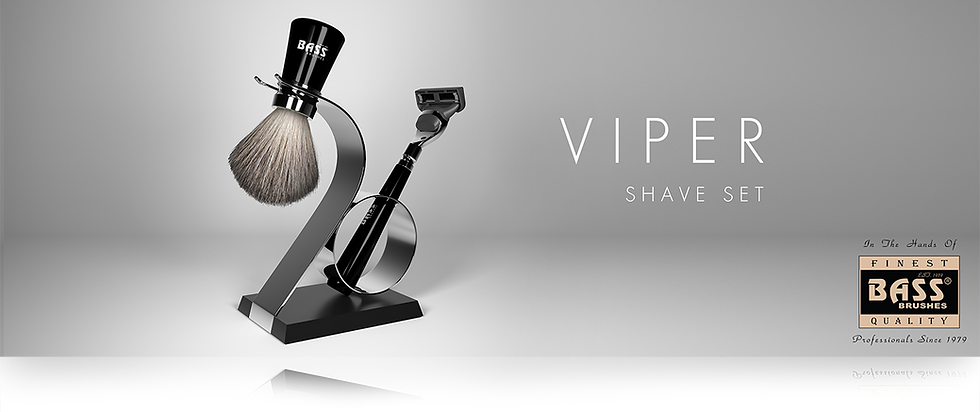
No traditional wet shaving setup is complete without a quality shaving brush. Brushes, particularly those made with natural bristles like badger or boar, are instrumental in preparing your skin and beard for the shave. They work shaving soap or cream into a rich, dense lather that softens the hair and lifts it away from the skin. This action not only creates a better surface for the razor to glide over but also helps to exfoliate the skin, reducing the chance of irritation. The feel of a good brush, whether it's the gentle massage of badger or the firmer exfoliation of boar, is a key part of the ritual. Bass Brushes offers a range of brushes designed to create the perfect lather for any shaving soap, enhancing the entire experience.
Mastering The Art Of Traditional Wet Shaving
Preparing Your Skin For A Superior Shave
Getting ready for a traditional wet shave is more than just splashing water on your face. It's about setting the stage for a close, comfortable experience. The first step is all about softening your beard and opening up your pores. A warm shower is ideal, but if that's not an option, a hot towel applied to your face for a few minutes works wonders. This simple act makes a big difference in how smoothly the razor glides. Think of it as preparing the canvas before you start painting. A well-prepped face means less tugging and pulling, and a much more enjoyable shave overall. It’s a small step that pays off big time.
Achieving The Perfect Lather
Lather is your best friend when it comes to traditional shaving. It lubricates the skin and lifts the beard hairs, making them easier to cut. Using a quality shaving brush, like those from Bass Brushes, is key here. Load your brush with a good shaving soap or cream – natural-based ones often create the best lather. Swirl the brush in your soap or cream to pick up the product, then work it into a rich, creamy lather either in a bowl or directly on your face. You're looking for a lather that's thick enough to stand up on its own, but not so stiff that it's dry. It should feel warm and cushiony on your skin. A good lather protects your skin from the blade and makes the whole process feel luxurious.
Techniques For A Close And Comfortable Shave
Once you've got your skin prepped and your lather ready, it's time for the main event. The trick to a close and comfortable shave is all about technique. Always shave with the grain of your beard first. This means paying attention to which direction your hair grows in different areas of your face. Use light, short strokes, and let the weight of the razor do the work – don't press down hard. Rinse your blade often in hot water to keep it clear of lather and hair. After your first pass with the grain, you can re-lather and go across or against the grain if you desire an even closer shave, but be extra careful here to avoid irritation. Remember, patience is a virtue in traditional shaving. It's not about speed; it's about precision and care for your skin. A well-executed shave leaves your skin feeling smooth and refreshed, not red and irritated.
The Cultural Significance Of Traditional Shaving
Shaving isn't just about looking neat; it's a practice woven into the fabric of human history and culture across the globe. For centuries, the act of shaving has carried symbolic weight, marking transitions, signifying status, and forming part of daily rituals. It's a practice that connects us to generations past and to diverse traditions that continue to shape how we groom today.
Global Traditions In Grooming
Across different cultures, shaving has taken on unique forms and meanings. In places like Turkey and Syria, the straight razor, known locally as "ustura," remains a staple in barbershops, where hot towels and vigorous lathering are part of a time-honored routine. Japan has its own distinct history with the kamisori, a single-edged straight razor with roots in samurai swordmaking, influencing modern precision tools. Even in ancient times, cultures like the Egyptians used oils and early soaps to prepare the skin, laying the groundwork for the grooming triad of lather, prep, and blade work we recognize today. These varied practices highlight a shared human desire for cleanliness, order, and self-presentation.
Shaving As A Symbol Of Identity And Ritual
Throughout history, shaving has been more than just removing hair. It has served as a powerful symbol of maturity, marking a young man's transition into adulthood. It's been associated with cleanliness, renewal, and even military discipline, signifying readiness and order. For many, the act of shaving is a personal ritual, a moment to focus and prepare for the day ahead. Using tools like a quality shaving brush, such as those from Bass Brushes, can transform this daily task into a more mindful and grounding experience, connecting the user to a legacy of craftsmanship and personal care.
The Barber Shop As A Community Hub
Historically, the barber shop has been a central gathering place in many communities. In ancient Rome, the tonstrina was a social hub where men not only got haircuts and shaves but also exchanged news and engaged in conversation. This tradition continues today, with barbershops serving as spaces for connection and camaraderie. The skilled hands of a barber, wielding tools like straight razors and expertly lathering with a natural bristle brush, offer more than just a service; they provide an experience rooted in tradition and community. It's a place where grooming becomes a shared ritual, reinforcing social bonds and personal identity.
Caring For Your Traditional Shaving Tools
Taking care of your traditional shaving tools is key to their longevity and performance. It’s not just about keeping them clean; it’s about respecting the craftsmanship and ensuring they serve you well for years to come. Think of it as part of the ritual itself.
Maintaining Metal Razors and Stands
Metal components, like your razors and stands, need a bit of attention to prevent rust or spotting. The most important thing is to keep them dry. After each use, rinse your razor thoroughly under warm water to get rid of any soap or hair. Then, dry it off completely with a soft towel. Be careful around the blade edge, of course. For safety razors, it’s a good idea to disassemble them after rinsing so you can dry all the nooks and crannies. Avoid using harsh cleaners or anything abrasive on the metal; a simple wipe-down is usually best. If you notice any water spots, a gentle polish with a soft cloth should do the trick.
Preserving Wooden Handles and Components
Tools with wooden handles, like some of our Bass Brushes, require a different approach. Wood doesn't like to be soaked. So, when you're rinsing your brush, try to keep the water exposure brief and controlled. After rinsing, gently pat the handle dry with a towel. Over time, you might want to give the wood a little TLC. Applying a tiny bit of mineral oil every few months can help maintain its luster and prevent it from drying out. Just a micro-amount is all you need.
Ensuring Longevity Through Proper Care
Consistent care really makes a difference. For shaving brushes, like those from Bass Brushes, regular cleaning and proper drying can help them last over a decade. Metal razors, with good maintenance, can genuinely last a lifetime. Stands and bowls will keep their finish and function indefinitely if they're treated well. Even tools made from more modern materials perform better and last longer when they're looked after. This attention not only protects your tools but also contributes to a better shave, reducing irritation and making the whole experience more pleasant.
Here’s a quick guide:
Shaving Brushes: Rinse thoroughly after each use. Shake out excess water and pat dry. Store bristle-side down to allow air circulation. Deep clean every 2-4 weeks with mild soap.
Metal Razors & Stands: Keep dry. Rinse and dry immediately after use. Avoid chlorine-based or abrasive cleaners.
Wooden Handles: Avoid soaking. Wipe dry after use. Apply mineral oil sparingly every few months for maintenance.
Proper care transforms shaving tools from mere objects into cherished companions in your grooming journey, ensuring they perform beautifully for years.
The Emotional And Tactile Rewards Of Traditional Shaving
The Satisfying Weight Of Quality Tools
There's a certain feeling you get when you hold a well-made tool. Traditional shaving implements, like a good safety razor or a sturdy shaving brush, have a heft to them that plastic disposables just can't match. It’s not just about the weight, though; it's about the balance. When you pick up a quality razor, you can feel the craftsmanship. It sits comfortably in your hand, feeling solid and dependable. This tactile feedback is part of what makes the whole experience feel more substantial. It’s a connection to the materials and the care that went into making it. You can feel the cool touch of the metal, the precise machining of the handle, and the dense knot of a Bass brush ready to work. It’s a small thing, but it makes a difference in how you approach the task.
Cultivating Mindfulness Through Ritual
Think about your typical morning. Is it a rush from one thing to the next? Traditional shaving offers a pause. It’s a ritual that asks for your attention. You have to focus on preparing the lather, on the angle of the blade, on the feel of the brush against your skin. This deliberate pace naturally slows you down. It’s a chance to be present in the moment, to breathe, and to focus on a single, satisfying task. Unlike the quick swipe of a cartridge razor, wet shaving demands a certain mindfulness. The gentle sound of the bristles working up a lather, the smooth glide of the blade – these sensory details help ground you. It’s a small pocket of calm in a busy day, a personal ceremony that sets a more centered tone.
Building Confidence With A Refined Grooming Routine
There’s a real sense of accomplishment that comes with mastering a skill, and traditional shaving is no different. As you get better at building lather, controlling your strokes, and achieving a smooth shave, your confidence grows. It’s about more than just looking good; it’s about the pride you take in your grooming. Using quality tools, like a well-crafted Bass brush, and executing the steps with care, transforms a mundane chore into a refined practice. This attention to detail and the resulting polished look can genuinely impact how you feel about yourself. It’s a way to take ownership of your appearance and present yourself to the world with a greater sense of intention and self-assurance.
Embrace the Tradition
So, there you have it. Going back to traditional shaving tools isn't just about getting rid of hair; it's about slowing down and doing something for yourself. It’s a bit of a ritual, really. You get a better shave, sure, but you also get this feeling of connection to older ways of doing things. Plus, these tools are built to last, unlike all the plastic stuff we usually toss. Give it a try. You might find that taking a little extra time each morning makes a big difference in how you feel for the rest of the day.
Why are people going back to old-fashioned shaving tools?
Many people are returning to classic shaving tools because they offer a closer shave, feel better to use, and are more eco-friendly than disposable razors. It's also about enjoying the ritual and the quality of well-made items.
What's the difference between a straight razor and a safety razor?
A straight razor is a single blade that you sharpen yourself, requiring skill and care. A safety razor uses a replaceable double-edged blade and has a guard to protect your skin, making it easier and safer for most people to use.
What does a shaving brush do?
A shaving brush, often made from badger or boar hair, helps create a rich, warm lather from shaving soap or cream. It lifts the hair, exfoliates the skin, and prepares it for a smoother shave, reducing irritation.
Is traditional shaving harder than using a cartridge razor?
It can take a little practice at first, especially with a straight razor. However, once you learn the right techniques, many find traditional shaving more enjoyable and rewarding, leading to a better shave with less irritation than quick cartridge shaves.
How do I take care of my shaving tools?
Metal razors should be kept dry and clean to prevent rust. Wooden handles should not be soaked in water. Brushes need to be rinsed well after use and stored bristle-down to dry completely. Proper care helps your tools last for many years.
What are the benefits of traditional shaving beyond just getting rid of hair?
Traditional shaving can be a mindful, relaxing ritual that helps you focus and feel more present. Using quality tools can also boost your confidence and make your grooming routine feel more special and personal.